
sandblasting borosilicate glass
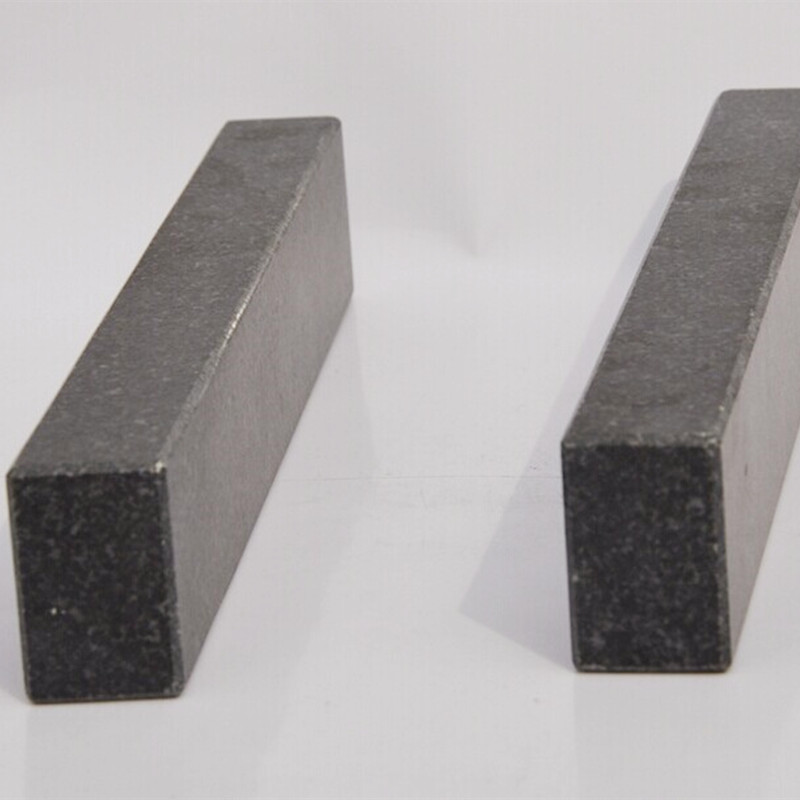
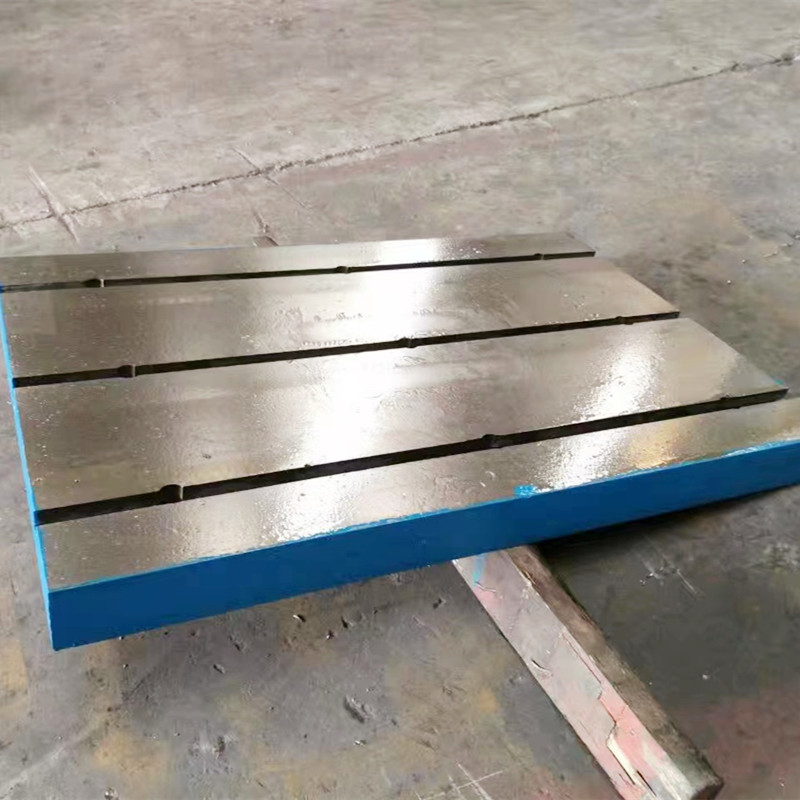
Understanding the 24 x 36 Surface Plate Importance and Applications In the realm of manufacturing and precision engineering, the surface plate serves as a fundamental tool for establishing a flat reference surface. A surface plate that measures 24 inches by 36 inches is a common size that strikes a balance between usability and versatility, making it an essential asset in various industries. This article delves into the significance, characteristics, and applications of the 24 x 36 surface plate. What is a Surface Plate? A surface plate is a flat, solid plate made from materials such as granite, cast iron, or steel, meticulously machined to achieve a high degree of flatness. The primary purpose of a surface plate is to provide a reliable base for measuring, testing, and inspecting the flatness of components, tools, or fixtures. Precision is paramount in manufacturing, and the surface plate aids in ensuring that products conform to specified tolerances. Importance of Flatness Flatness is a vital aspect of precision measurements in engineering. An uneven surface can lead to inaccuracies, which may cause catastrophic failures in manufactured products . With a 24 x 36 surface plate, engineers and technicians can perform measurements that are critical to ensuring the quality and reliability of parts. This surface eliminates variables in measurement by providing a stable reference that minimizes the risk of distortion and provides a consistent measuring environment. Key Characteristics 1. Material Most surface plates are made from granite or cast iron, with granite being favored for its resistance to wear and thermal stability. A granite surface plate is non-porous, which means it will not absorb liquids that could lead to corrosion or other forms of damage. 2. Surface Hardness A high level of hardness is essential to prevent wear during prolonged usage. Granite plates typically have a hardness rating of around 6-7 on the Mohs scale, which makes them ideal for heavy-duty applications. 3. Flatness Tolerance The flatness of a surface plate is meticulously measured and often rated according to industry standards. A precision surface plate should maintain a flatness tolerance of 0.0001 inches or better, depending on its classification. 24 x 36 surface plate 4. Size and Portability The 24 x 36 dimensions make this surface plate suitable for a variety of tasks without occupying too much workspace. Its manageable size allows for ease of transport and usage in different settings, from small workshops to larger manufacturing facilities. Applications The versatility of the 24 x 36 surface plate makes it suitable for numerous applications, including - Inspection and Measurement It serves as a primary tool for gauging the flatness of machined parts, ensuring they meet the necessary specifications before assembly. - Assembly Fixture Engineers can use the surface plate as a staging area for precision assembly, allowing them to align and fit components accurately without distortions that could arise from less stable surfaces. - Tool Calibration Precision measuring instruments, such as calipers and micrometers, can be calibrated against the surface plate, confirming their accuracy. - Manufacturing Setup In CNC machining and other automated processes, the surface plate can assist in setting up and leveling machinery, ensuring that operations proceed without unexpected deviations. Conclusion The 24 x 36 surface plate is an indispensable tool for ensuring precision in manufacturing and engineering fields. Its ability to provide an accurate reference surface cannot be overstated; it underpins vital processes from inspection to assembly and calibration. As industries continue to demand higher precision and quality, the role of surface plates in achieving these objectives will remain significant. Investing in a high-quality surface plate is a decision that pays dividends in accuracy, reliability, and ultimately, product quality.
about
sandblasting borosilicate glass
Machine Vibration Pads Paano Sila Nakakatulong Sa Industriya Sa mundo ng makinarya at inhenyeriya, ang mga vibration pads ay isa sa mga pinakaimportanteng kagamitan na nagbibigay ng suporta at proteksyon sa mga makina. Ang mga ito ay idinisenyo upang mapababa ang mga vibrations na dulot ng pag-andar ng mga makina, na maaaring magdulot ng pinsala kung hindi maayos na huhusgahan. Sa artikulong ito, ating tatalakayin ang mga benepisyo at gamit ng machine vibration pads sa iba't-ibang industriya. Ano ang Machine Vibration Pads? Ang machine vibration pads ay gawa sa mga espesyal na materyales tulad ng goma o polyurethane na may kakayahang sumabsorbe ng shock at vibrations. Ang mga ito ay kadalasang inilalagay sa ilalim ng mga makina at kagamitan upang mapababa ang paglipat ng vibrations sa lupa at sa iba pang mga bahagi ng istruktura . Sa pamamagitan ng kanilang kakayahang magbigay ng cushioning effect, ang mga vibration pads ay nakakatulong sa pagprotekta ng makina at sa pag-extend ng kanilang buhay. Mga Benepisyo ng Paggamit ng Vibration Pads 1. Pagbawas ng Vibrations Ang pangunahing layunin ng vibration pads ay ang mabawasan ang vibrations. Ito ay hindi lamang nakadaragdag sa kahusayan ng makina kundi nagtatanggol din ito laban sa mga potensyal na pinsala dulot ng sobrang vibrations. 2. Proteksyon ng Istruktura Ang mga vibrations ay maaaring makaapekto sa mga pader, sahig, at iba pang bahagi ng isang gusali. Ang paggamit ng vibration pads ay nakakatulong upang mabawasan ang paglipat ng vibrations at maiwasan ang pagkakaroon ng structural damage. machine vibration pads 3. Pagpapabuti ng Komportable sa Trabaho Sa mga pabrika at manufacturing plants, ang mataas na level ng vibrations ay maaaring maging sanhi ng discomfort para sa mga manggagawa. Ang vibration pads ay nakakatulong upang lumikha ng mas komportableng kapaligiran sa trabaho. 4. Pagpapababa ng Ingay Kasama ng vibrations, ang ingay na dulot ng makina ay isa pang isyu na kadalasang nararanasan. Ang vibration pads ay nakakatulong din sa pagbawas ng ingay, na nagreresulta sa mas tahimik na operasyon. Mga Uri ng Vibration Pads Mayroong iba’t ibang uri ng vibration pads na maaari nating pagpilian, depende sa pangangailangan ng industriya. Ilan sa mga ito ay - Rugged Rubber Pads Karaniwang ginagamit sa mabibigat na makina, ang mga ito ay may mataas na durability at load-bearing capacity. - Polyurethane Pads Madalas na ginagamit sa mga precision equipment dahil sa kanilang mahusay na vibration isolation properties. - Spring Isolation Pads Ang mga ito ay nagbibigay ng mas advanced na vibration control para sa mga kritikal na operasyon. Pagsasara Sa kabuuan, ang machine vibration pads ay isang mahalagang bahagi ng anumang industriyal na operasyon. Sa kanilang kakayahang magbawas ng vibrations, protektahan ang mga makina, at lumikha ng mas komportableng kapaligiran, sila ay hindi maikakaila na isang napakahalagang kagamitan sa modernong industriya. Sa tamang pagpili at paggamit ng vibration pads, maiiwasan ang mga potensyal na problema at mai-enhance ang productivity ng mga makinarya.
-

High quality industrial productsagement

High quality industrial products
View Details -

Meet the diverse needs of customers

Meet the diverse needs of customers
View Details -

Strict quality control

Strict quality control
View Details -

Top raw materials

Top raw materials
View Details -

Trusted supplier

Trusted supplier
View Details
Our application

news and information
Válvula de retención de 12 mm para aplicaciones industriales y de fontanería eficientes
Válvula de Retención de 12 mm Importancia y Aplicaciones Las válvulas de retención son dispositivos
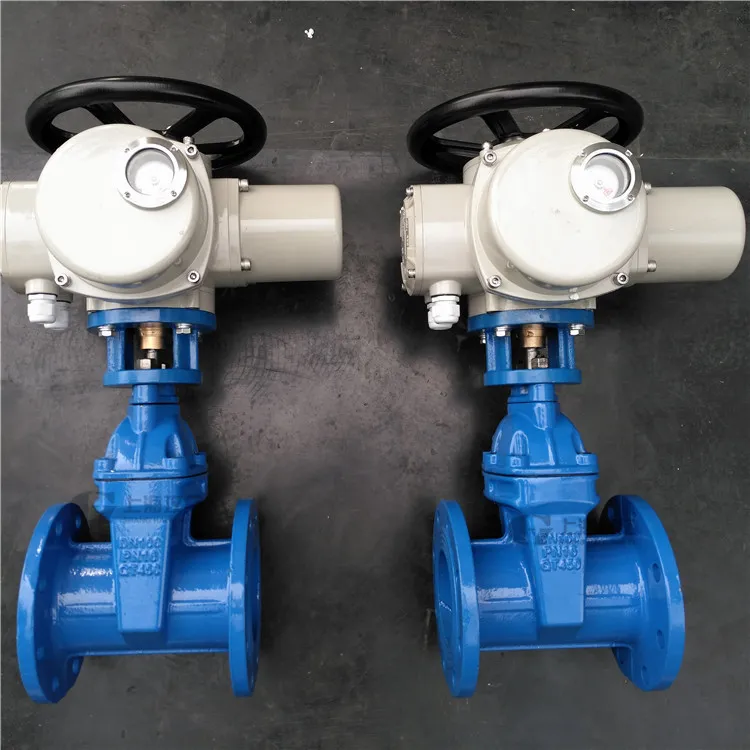
water line check valve
Understanding the Importance of Water Line Check Valves Water line check valves play a crucial role
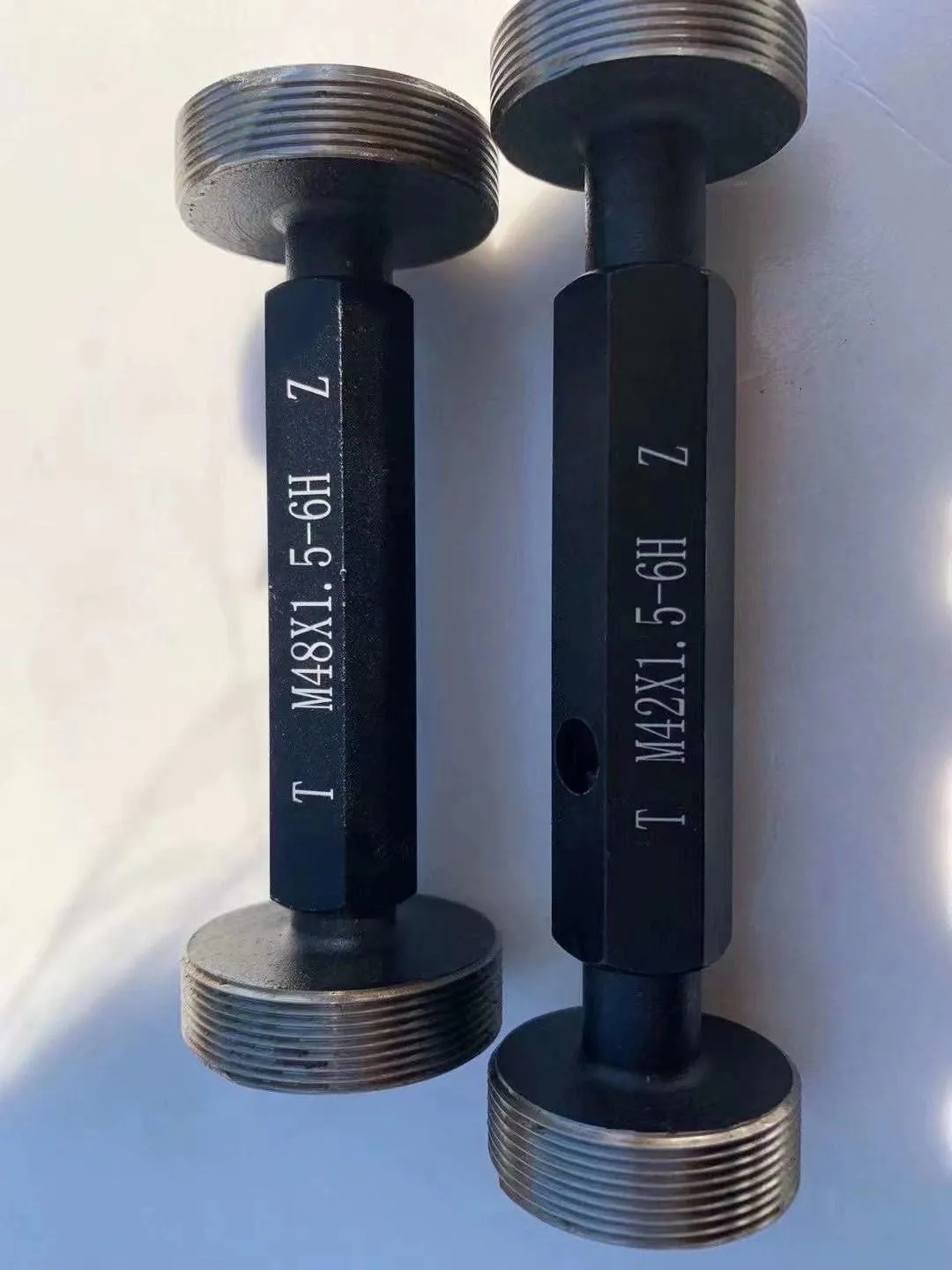
What is the Use of a Thread Ring Gauge_
When it comes to precision in manufacturing and quality control, ensuring the accuracy of threads is
 English